
"carbonated drinks"
3000 article(s) found

The method of making a low-carbon matcha latte to make a healthy and delicious matcha latte.
Professional coffee knowledge exchange more coffee bean information please follow the coffee workshop (Wechat official account cafe_style) latte and cappuccino how to drink the difference? Is there any difference between a cappuccino cup and a latte cup? Do you need healthier iced coffee? This ultra-low-calorie, low-carbon matcha latte with less than 1 gram of carbohydrates is your first choice. are you still hesitating? It is rich in resistance.

Analysis of Coffee Bean Composition
Caffeine is the most noticeable of all coffee ingredients. Its effect is extremely extensive, will affect the human body's brain, heart, blood vessels, gastrointestinal, muscle, kidney and other parts.
Coca-Cola turns to ready-to-drink Coffee Competition Nestl é has a high price and an uncertain future.
Although the overall sales of ready-to-drink coffee has maintained an annual growth rate of more than 30%, it accounts for less than 2% of the entire beverage industry, and it is still facing the embarrassment of high prices and small quantities. Nestl é and Uni-President have a market share of nearly 80%. After a decline in carbonated beverage sales, Coca-Cola wants to shift its energy to other beverages. Coca-Cola announced yesterday that its

How to preserve roasted coffee beans-Starbucks concentrated roasted coffee beans
How to preserve roasted coffee beans-Starbucks concentrated roasted coffee beans 1, aerated packaging. In the most common packaging, beans and powder are packed in glass cans, paper bags or plastic containers, and then capped or sealed. Low preservation, and because of contact with air all the time, need to drink as soon as possible, drinking period is about a week. 2. Vacuum packing. Packing containers (cans, aluminum foil bags, plastic bags)
Analysis of Coffee Bean Composition
Coffee Bean Composition Analysis Green Bean (Unit: Percentage) Moisture: 11.3 Fat: 11.7 Protein: 11.8 Sugar: 8.0 Essence: 17.1 Caffeine: 1.3 Tannin: 6.0 Minerals: 4.2 Crude Fiber: 28.6 Cooked Bean Moisture: 2.5 Fat: 13.2 Protein: 12.8 Sugar: 1.8 Essence: 29.6 Caffeine: 1.3 Tannin: 4.0 Minerals

Coffee roasting knowledge introduction Coffee roasting coffee with different roasting degree has different roasting degree
Just roasted coffee beans, it is best to leave for 2-5 days, let a large amount of carbon dioxide out of the coffee beans after drinking will be more smooth, Hong Kong Coffee Club will choose an one-way breathable valve aluminum foil bag to preserve coffee beans, can prevent the entry of air to cause oxidation, but also can let carbon dioxide out, to ensure that coffee beans remain fresh in the best condition secret 1: to achieve the highest caramelization-caramelization is affecting coffee

Introduction of Coffee solvent extraction Swiss Water treatment Supercritical / liquid carbon dioxide High pressure extraction
Professional coffee knowledge exchange more coffee bean information Please pay attention to the coffee workshop (Wechat official account cafe_style) afraid of insomnia, palpitations, drink decaf coffee is healthier? Are you worried about palpitations, insomnia, or switching to decaffeinated coffee because of pregnancy? When drinking coffee, you want to consume less caffeine, which is actually similar to the variety of coffee beans and the size of grinding particles.

How to get a cup of decaffeinated coffee?
Coffee is one of the three biggest drinks in the world, and it is loved by many people. The most distinctive ingredient in coffee is caffeine, but not everyone likes it. In terms of taste, it is the main source of bitterness of coffee; functionally, it is a nerve stimulant that can keep people in a state of excitement and affect sleep. In addition to caffeine, coffee contains thousands of ingredients, which can form unique
Do you know how to get a cup of decaf?
Coffee is one of the top three drinks in the world and is loved by many people. The most distinctive ingredient in coffee is caffeine, but not everyone likes it. Tastefully, it is the main source of coffee bitterness; functionally, it is a neurostimulant that can put people in an excited state and affect sleep. In addition to caffeine, coffee contains thousands of ingredients that can form unique
Do you know how to get a cup of decaf?
Coffee is one of the three biggest drinks in the world, and it is loved by many people. The most distinctive ingredient in coffee is caffeine, but not everyone likes it. In terms of taste, it is the main source of bitterness of coffee; functionally, it is a nerve stimulant that can keep people in a state of excitement and affect sleep. In addition to caffeine, coffee contains thousands of ingredients, which can form unique

What about the bitterness of coffee? the flavor of coffee is not just how to drink it.
Professional coffee knowledge exchange more coffee bean information Please pay attention to the coffee workshop (Wechat official account cafe_style) most people will have a fixed impression of coffee: bitter. Bitter coffee ah bitter coffee, why do you choose bitter coffee instead of sweet milk tea? The answer is simple: good boutique coffee is hardly bitter. This is in line with the public impression of coffee.

Want to know how to get a cup of decaf?
Coffee is one of the three biggest drinks in the world, and it is loved by many people. The most distinctive ingredient in coffee is caffeine, but not everyone likes it. In terms of taste, it is the main source of bitterness of coffee; functionally, it is a nerve stimulant that can keep people in a state of excitement and affect sleep. In addition to caffeine, coffee contains thousands of ingredients, which can form unique

Knowledge of Fine Coffee A brief discussion on why coffee beans are roasted
The raw coffee beans for export are not the dark brown beans we often see in cafes with a luster of vegetable oil and a burst of coffee-scented beans. Coffee beans can only be roasted to become coffee beans for grinding and drinking. Of course, this is just a strange modern way, because in the early days, Ethiopians used the fruits of coffee to make wine.

Composition Analysis of Coffee beans basic knowledge of Fine Coffee
Raw bean (unit: percentage) moisture: 11.3 fat: 11.7 protein: 11.8 sugar: 8.0 essence: 17.1 caffeine: 1.3 Salmonic acid: 6.0 Minerals: 4.2 crude fiber: 28.6 cooked bean moisture: 2.5 fat: 13.2 protein: 12.8 sugar: 1.8 essence: 29.6 caffeine: 1.3 Salvianolic acid: 4 .0 mineral: 5.2 crude fiber: 29.
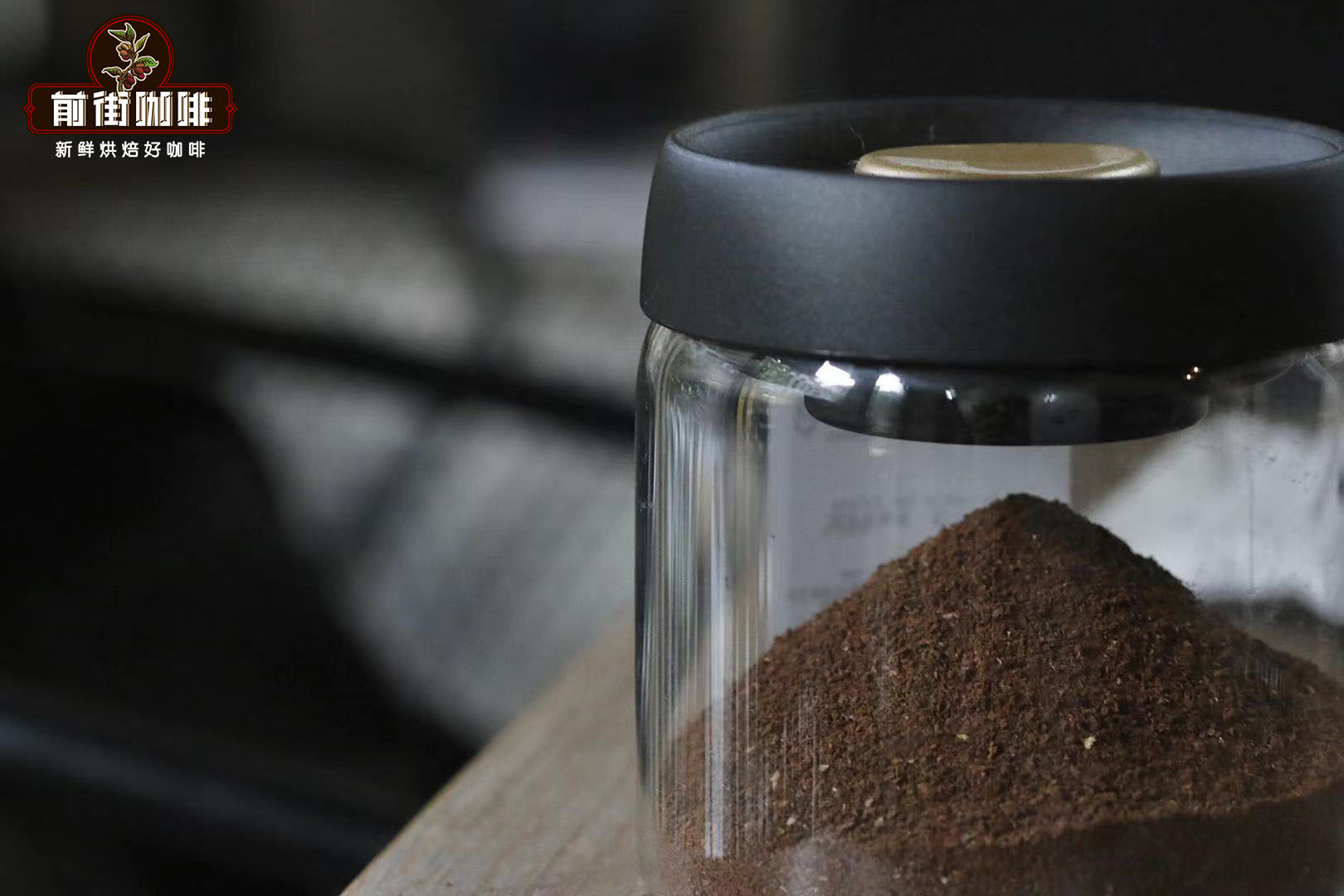
Coffee novice basic knowledge: fresh roast coffee beans freshly ground coffee powder how to preserve?
Recently, a small partner asked Qianjie: Why do coffee beans grind into powder after sticking the pores, so that the carbon dioxide in the package can not be discharged? The significance of the vent on the coffee packaging The front street seals the coffee beans immediately after roasting and cooling, which minimizes the loss of flavor from the coffee beans. But freshly roasted coffee beans produce a lot of

What is Fat American Coffee? Taste characteristics of fat American production method Chemical reaction between Coffee and Coke
Coffee and coke, sounds like a bad idea? No no no! Many people have tried this seemingly dark match. It has also been given a lovely Chinese name Fat American style! Interestingly, although Coca-Cola is an American-made drink, Feimei seems to have originated in South Korea and Taiwan. Fat Americano combines classic Coca-Cola and espresso perfectly.
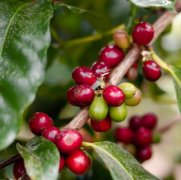
Fermentation treatment of coffee beans differences and flavor characteristics of carbon impregnation anaerobic double anaerobic treatment
There is a growing trend that has aroused the interest of coffee professionals. This trend is an interest in different fermentation methods and coffee processing test methods. There is an element that wants to break through the boundaries of flavor and promote the boundaries that coffee really becomes. From carbonic acid impregnation to anaerobic fermentation, different fermentation methods are being studied and tested. So let's explore the meaning of some of these fermentation.

Analysis of the components of high-quality coffee beans with knowledge
Raw bean (unit: percentage) moisture: 11.3 fat: 11.7 protein: 11.8 sugar: 8.0 essence: 17.1 caffeine: 1.3 Salmonic acid: 6.0 Minerals: 4.2 crude fiber: 28.6 cooked bean moisture: 2.5 fat: 13.2 protein: 12.8 sugar: 1.8 essence: 29.6 caffeine: 1.3 Salvianolic acid: 4 .0 mineral: 5.2 crude fiber: 29.

The most correct method for the preservation of coffee beans how to preserve coffee flavor coffee perfectly
Professional coffee knowledge exchange more coffee bean information please follow the coffee workshop (Wechat official account cafe_style) the most scientific coffee bean purchase and preservation guide, see here! Guidelines for the Preservation of Coffee beans Today, drinking coffee is a common occurrence for Taiwanese, which is convenient to buy and cheap. Coffee fans who are slightly particular about coffee regard roasting coffee beans and drinking freshly ground coffee as an elegant custom.
Analysis of the composition of coffee beans what ingredients are contained in a coffee bean?
Raw bean (unit: percentage) moisture: 11.3 fat: 11.7 protein: 11.8 sugar: 8.0 essence: 17.1 caffeine: 1.3 Salmonic acid: 6.0 Minerals: 4.2 crude fiber: 28.6 cooked bean moisture: 2.5 fat: 13.2 protein: 12.8 sugar: 1.8 essence: 29.6 caffeine: 1.3 Salvianolic acid: 4 .0 mineral: 5.2 crude fiber: 29.